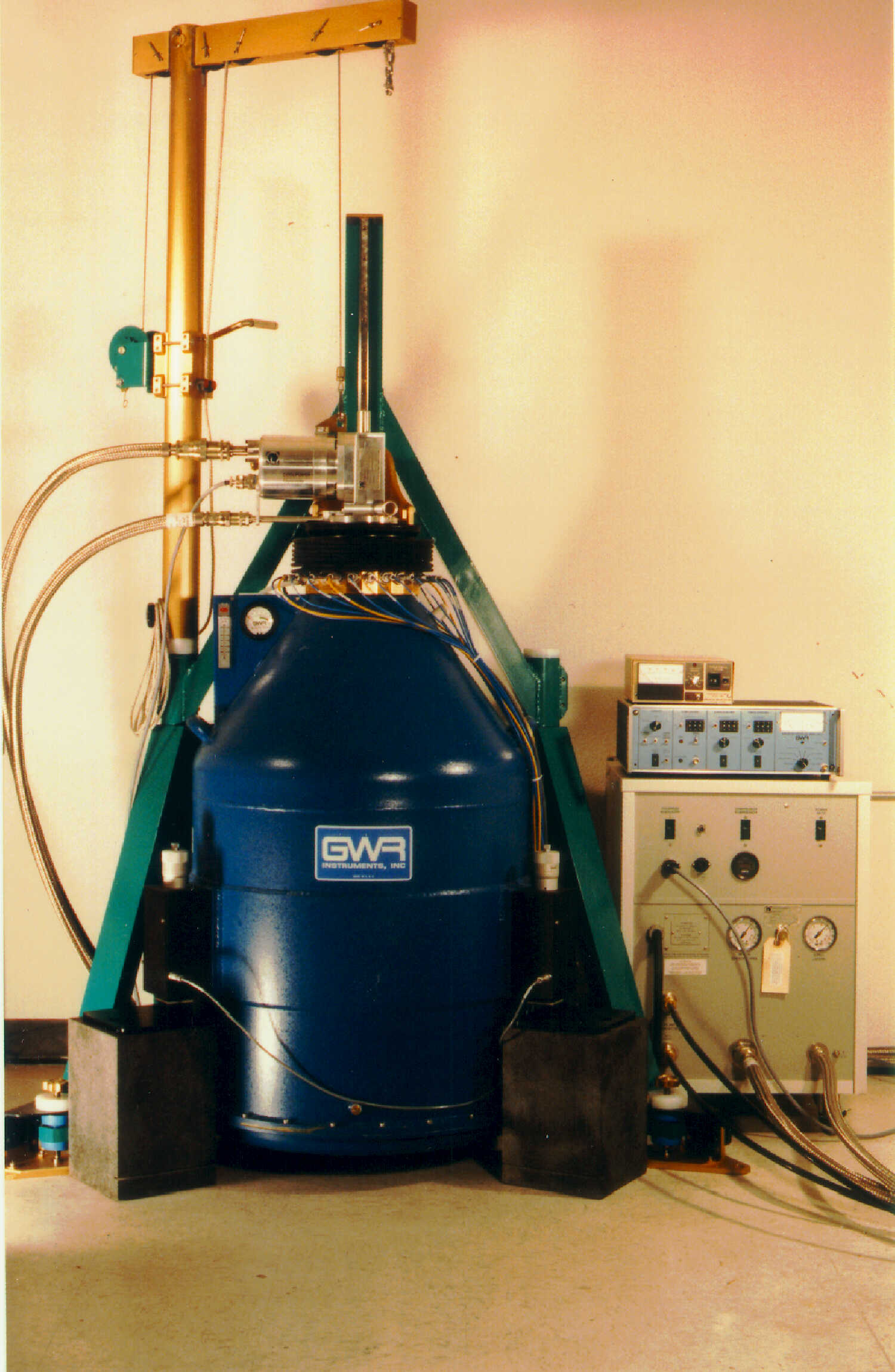
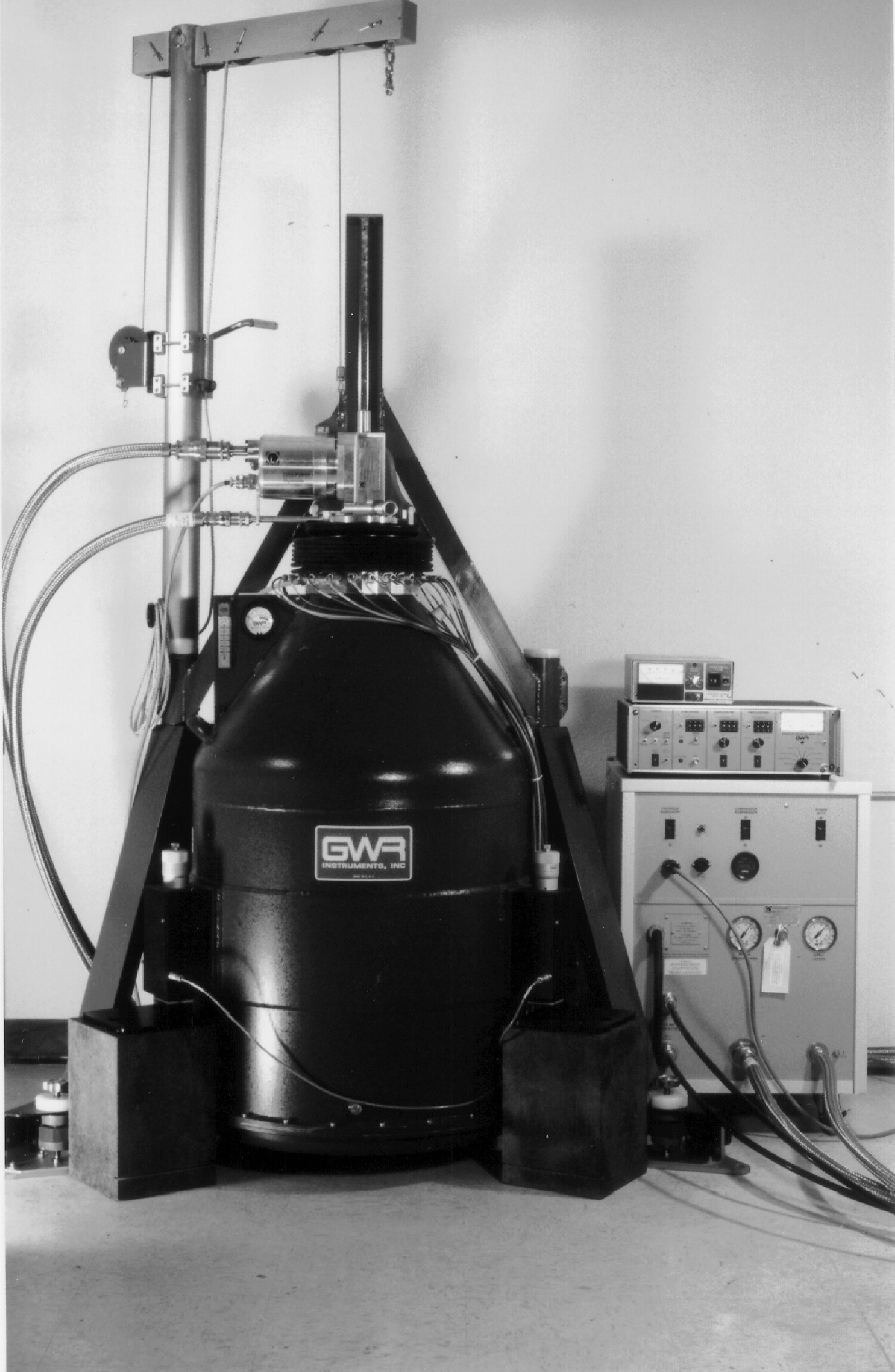
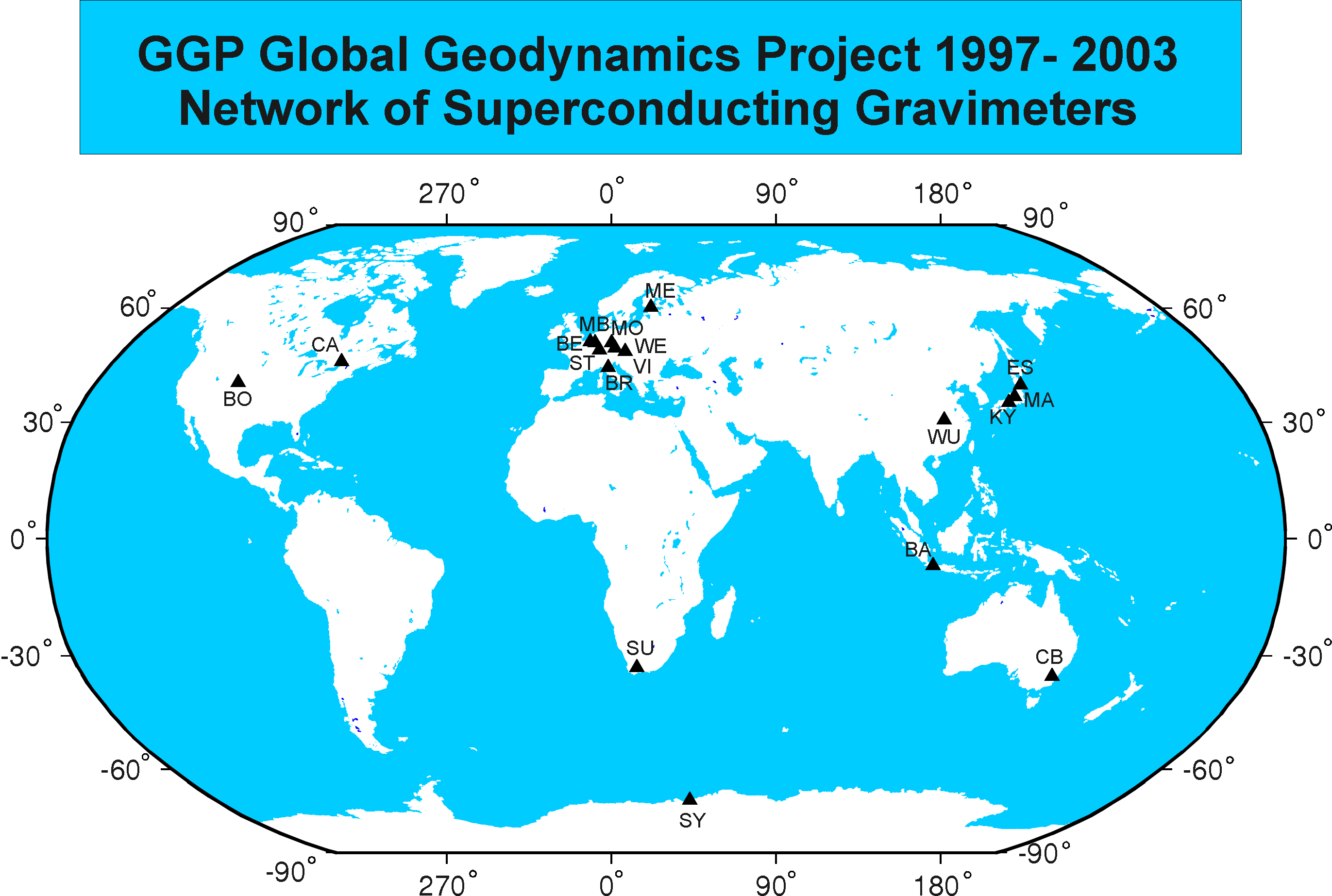
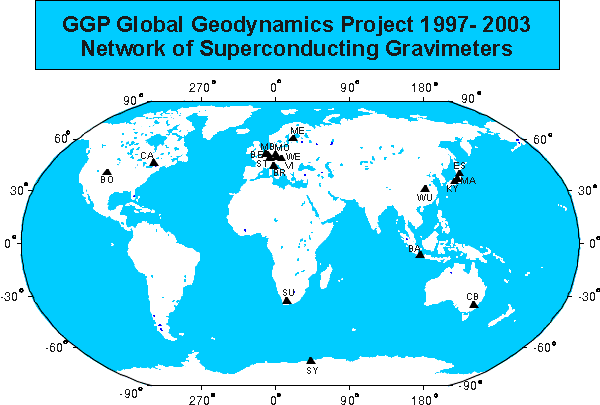
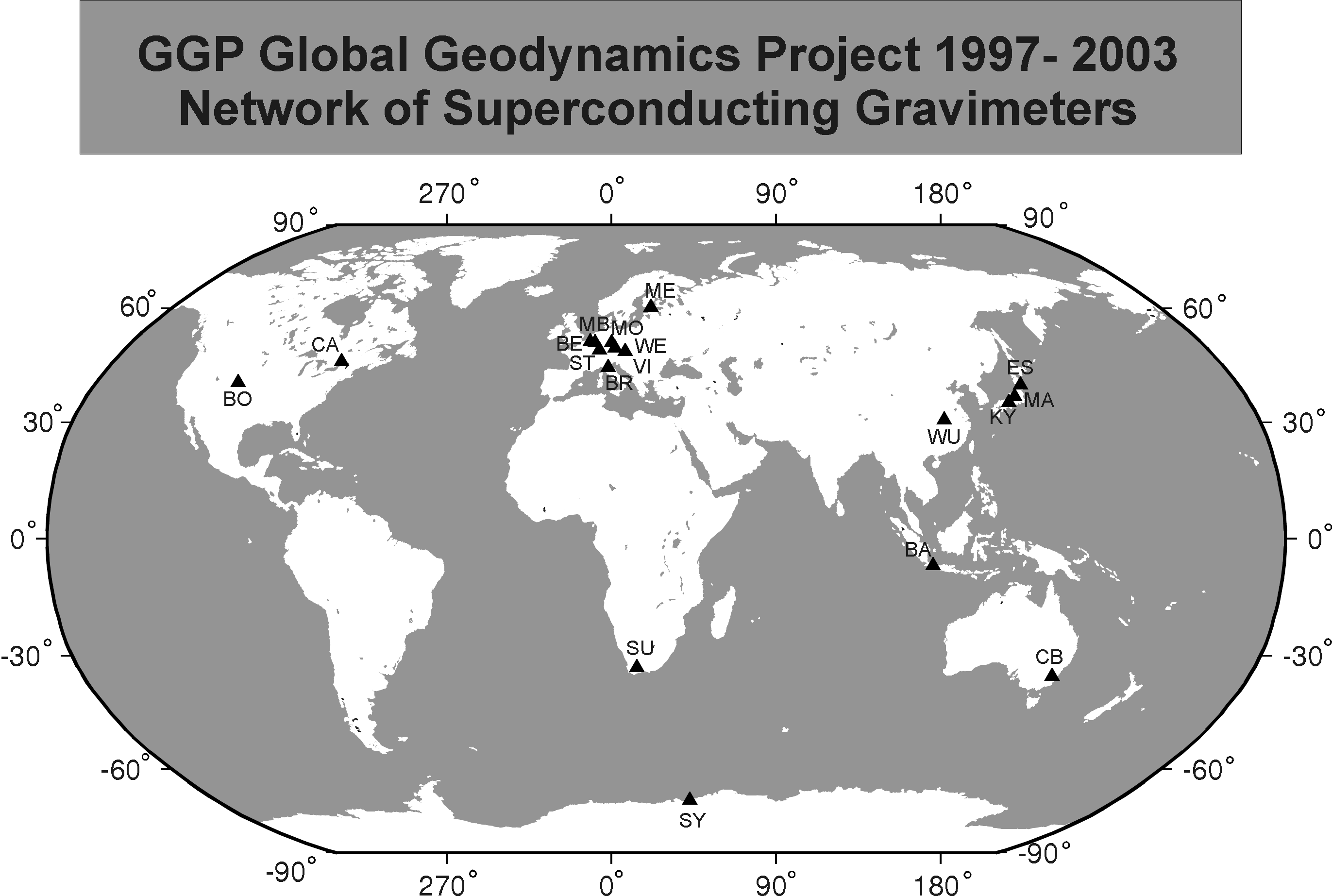
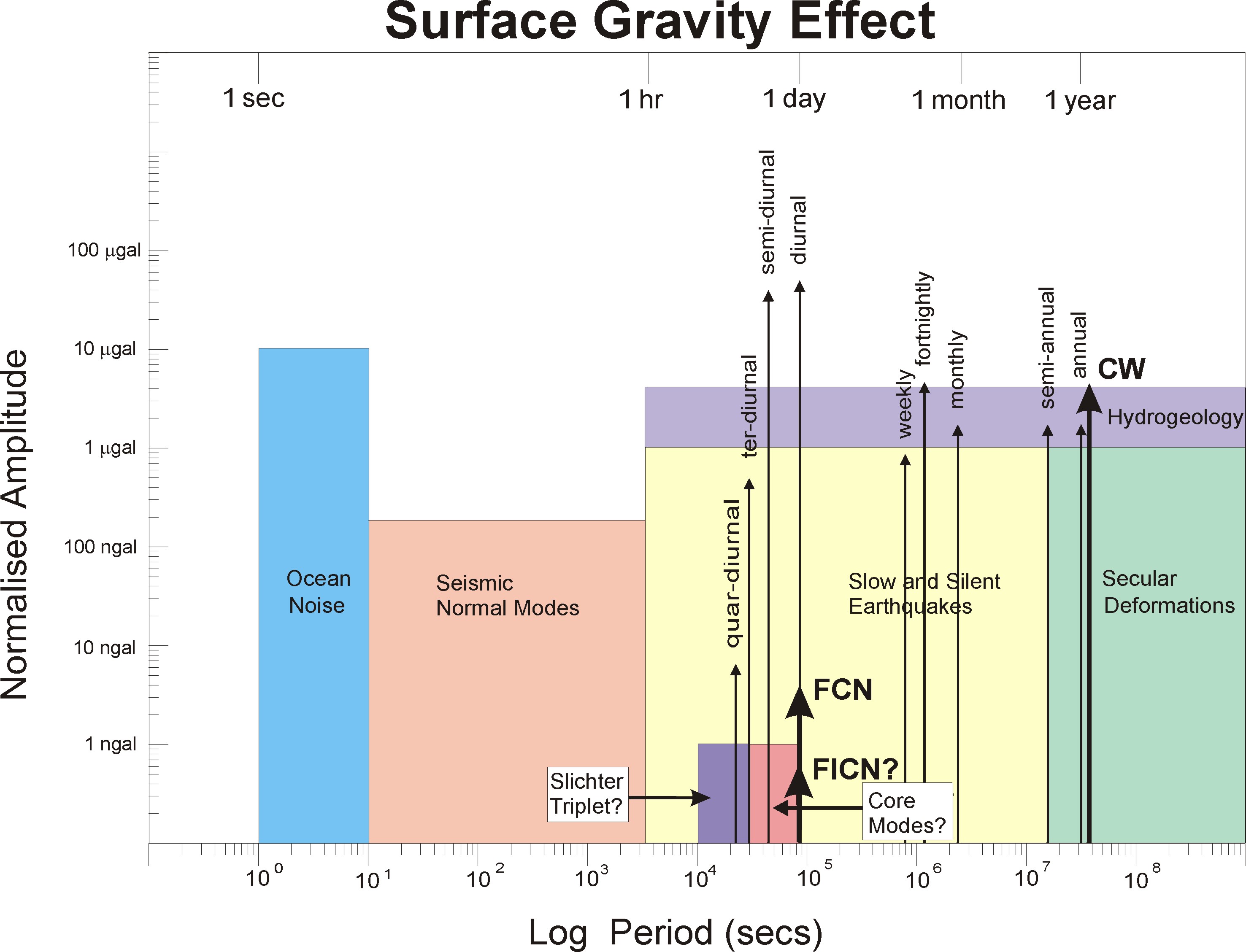
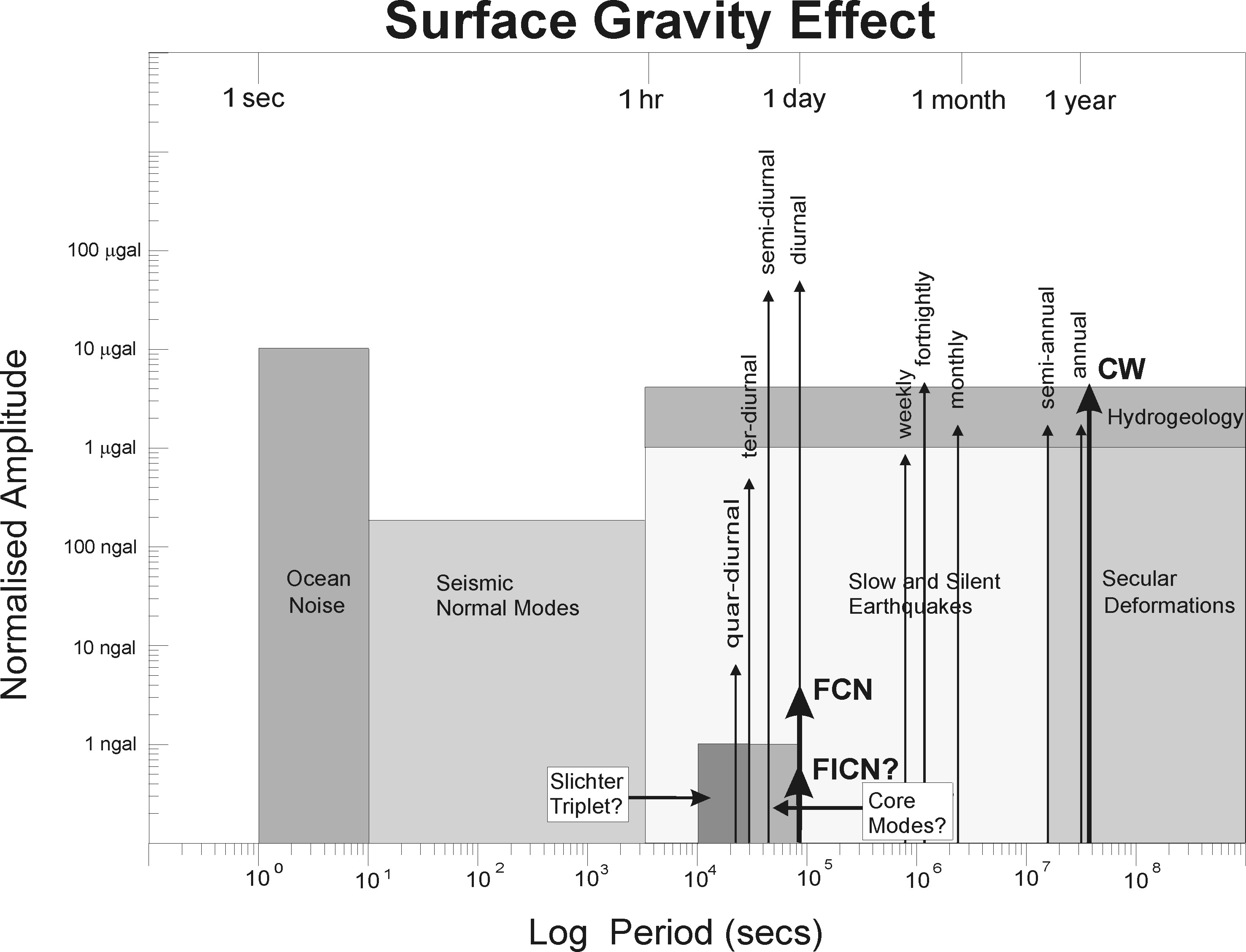
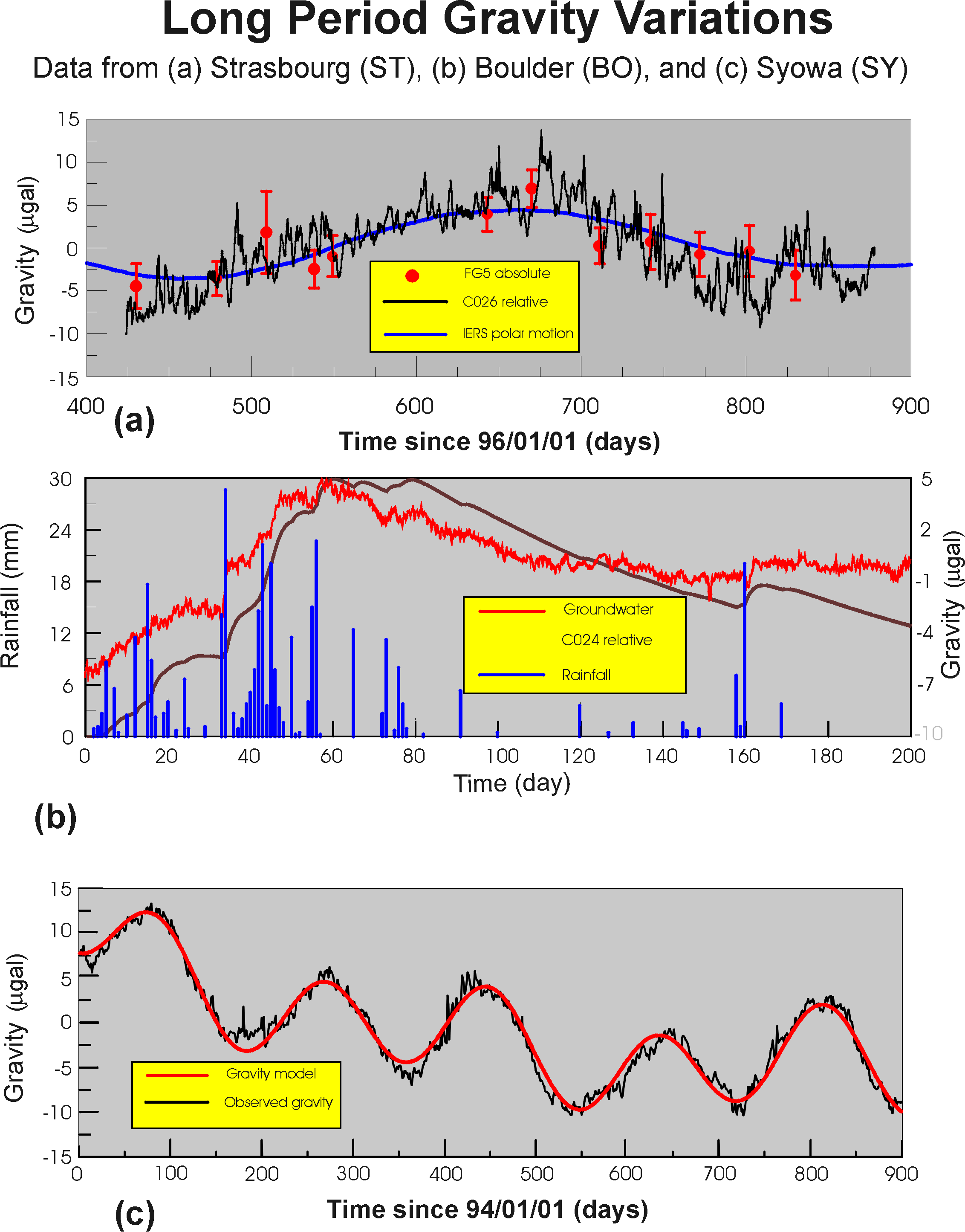
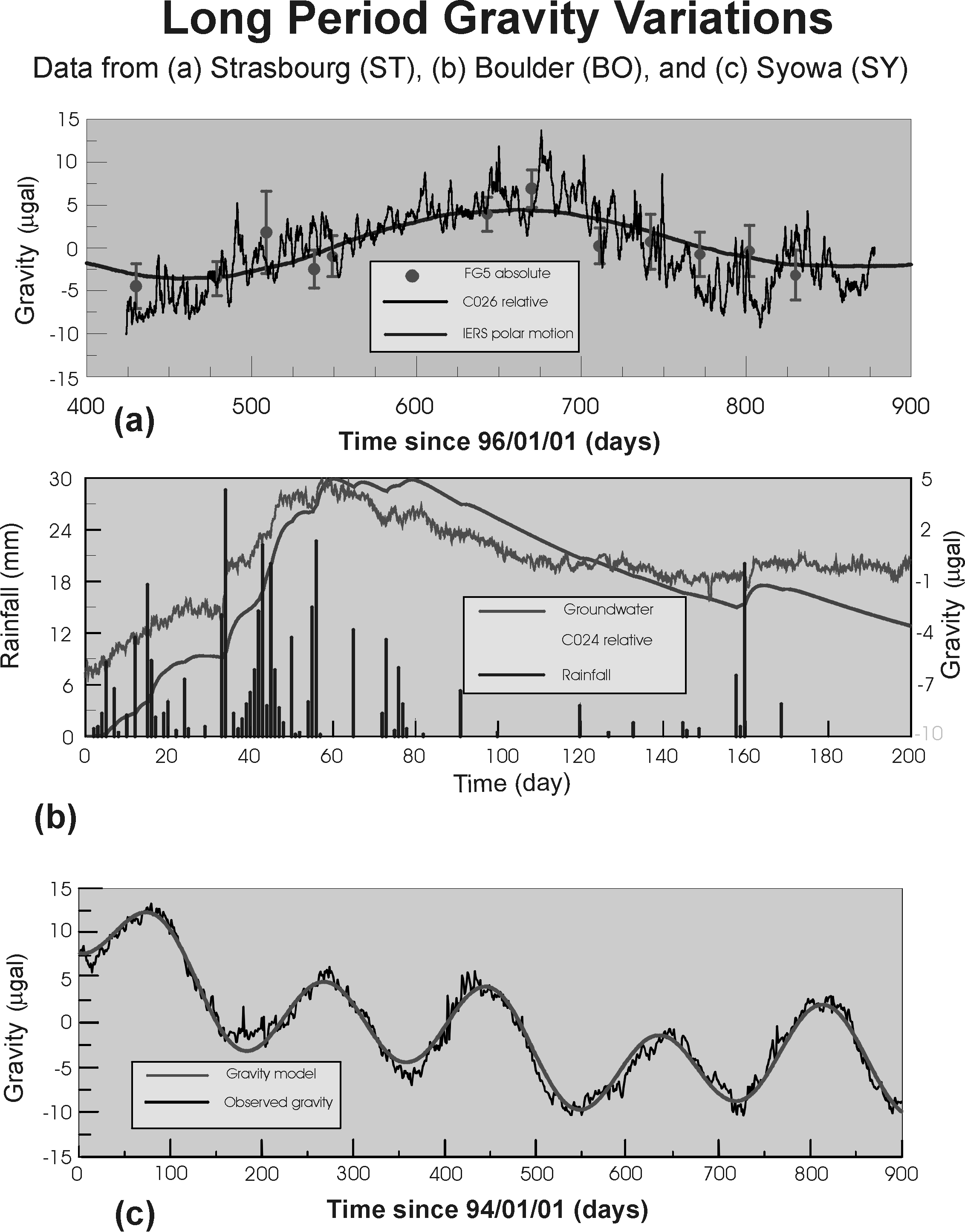
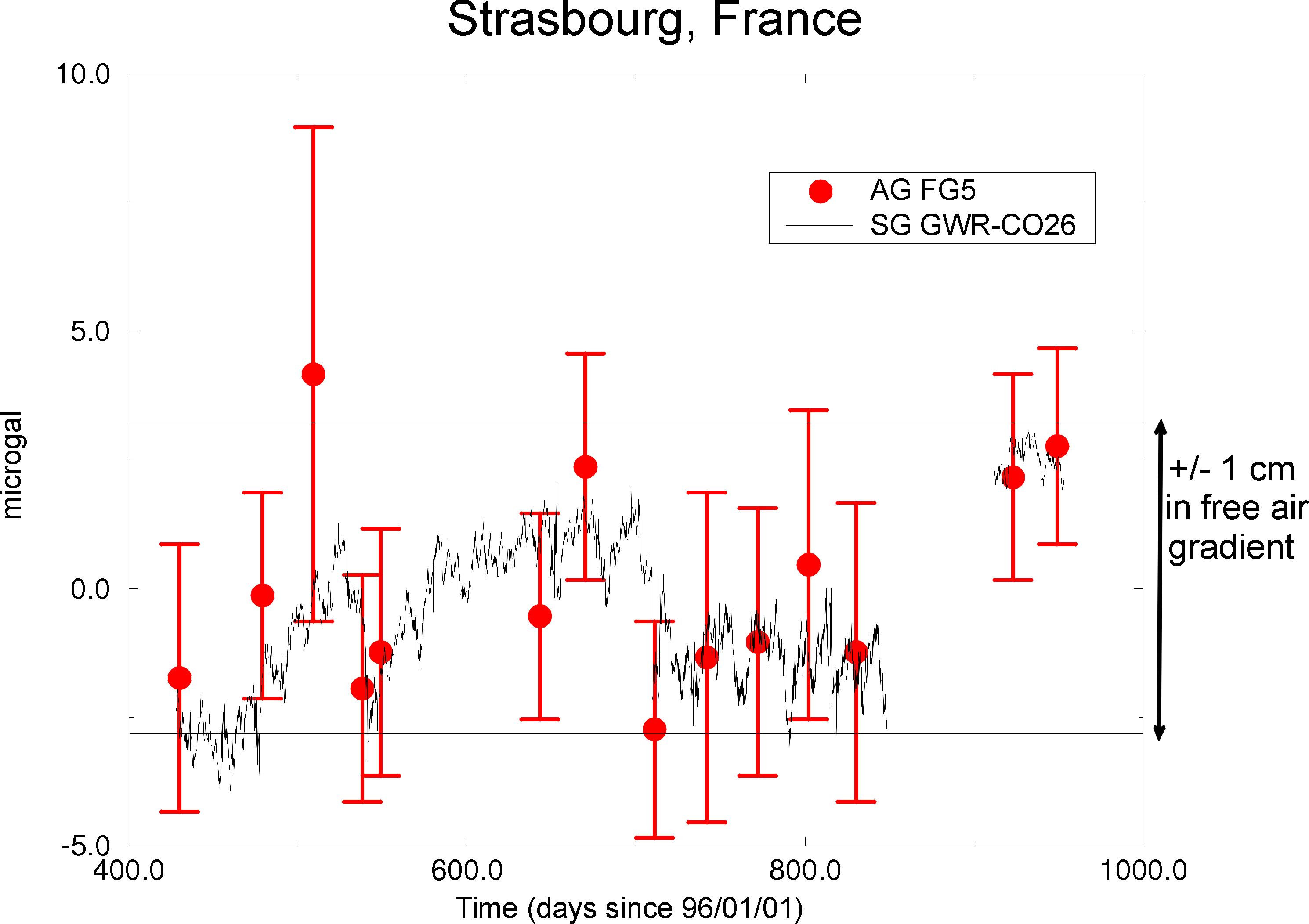
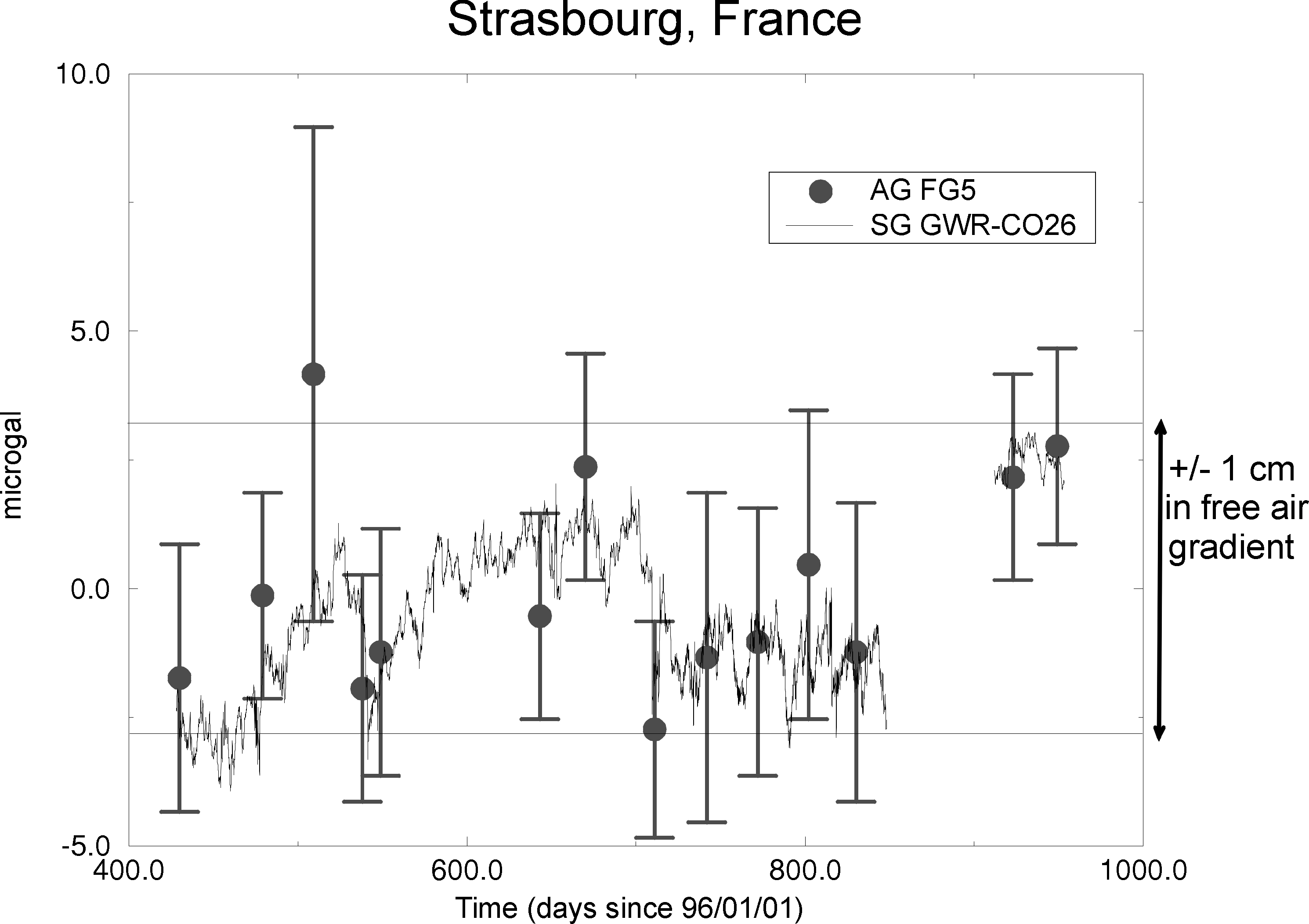
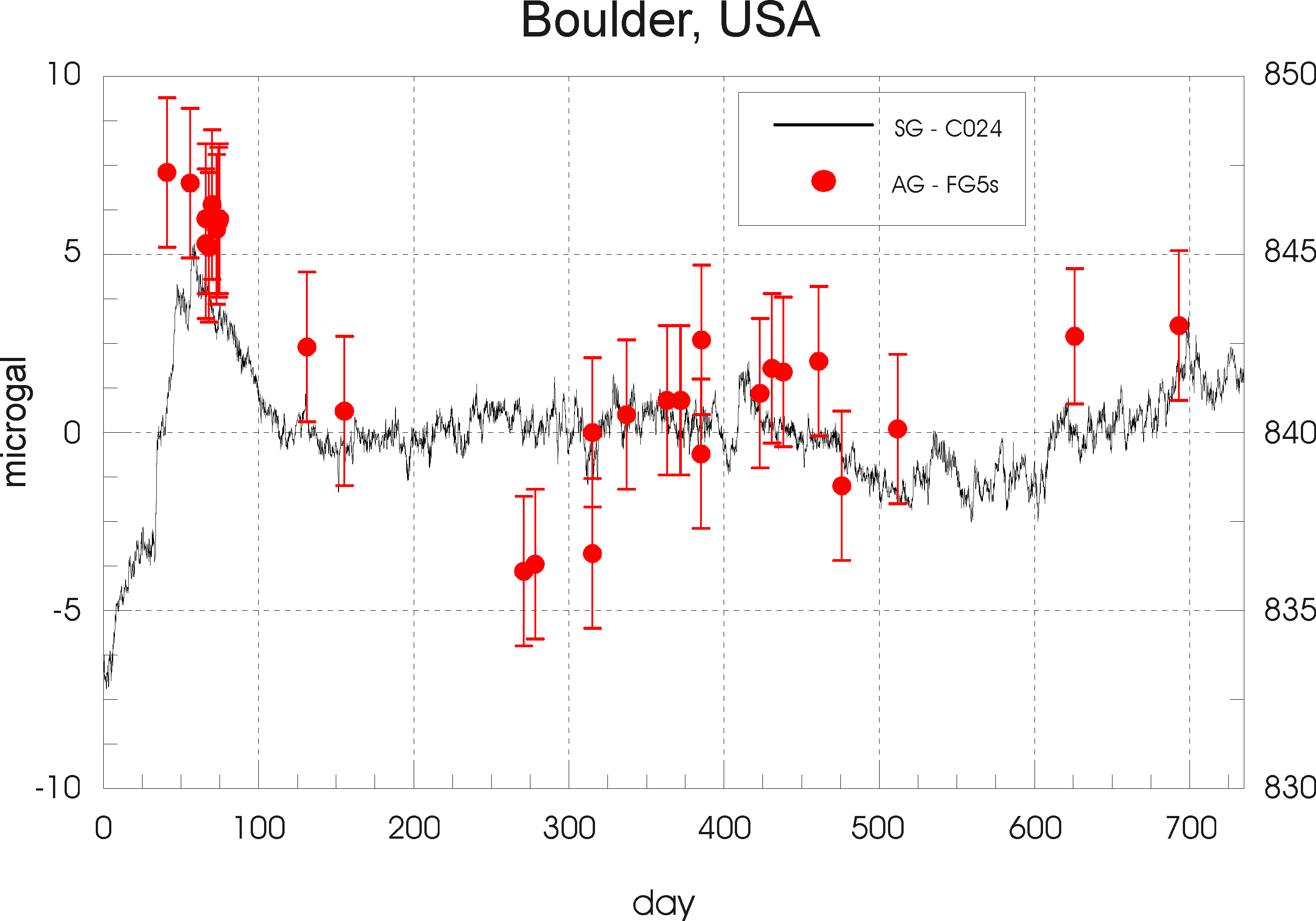
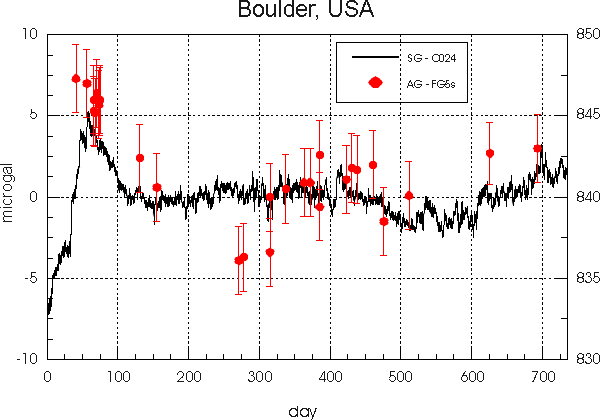
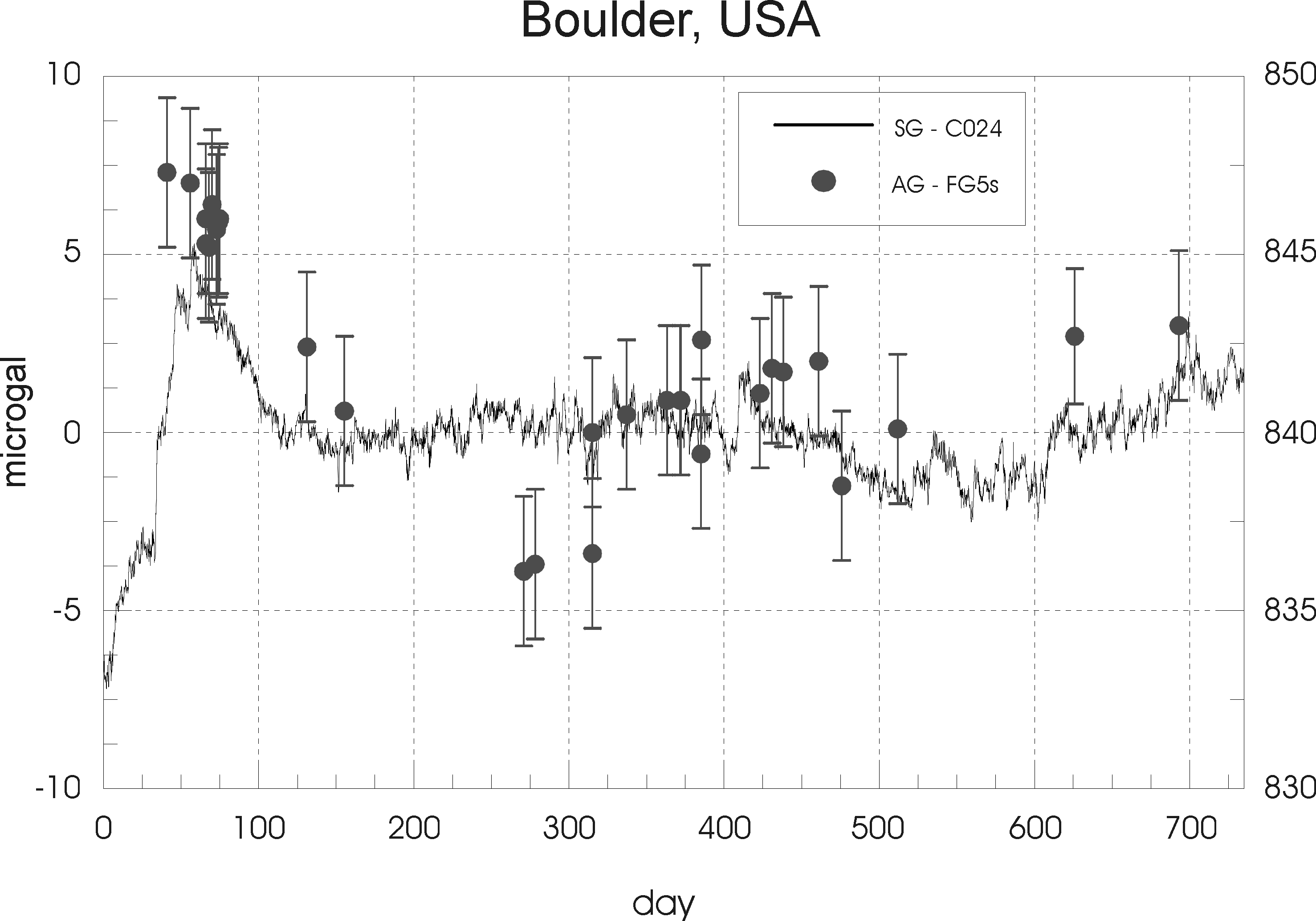
EOS Figures The following figures are the same as in the article (EOS). We have included some new data replacing the original Figure 4(a). Figure 1. One of the new generation of Compact Tidal SGs, manufactured by GWR Instruments (San Diego). The sensor uses a Nb superconducting test mass which is levitated in a magnetic field created by superconducting coils. The extremely low noise and low drift are primarily due to the operation of the components at liquid He temperatures regulated to a few micro-Kelvin inside a vacuum can. The model (CT-D) shown is equipped with 2 vertically spaced sensors to measure gravity and gravity gradient. A special refrigeration unit allows the instrument to be run indefinitely with only one filling of liquid He. All aspects of the CT-D can be monitored remotely by modem (high res color | low res color | b&w). Figure 2. The GGP network showing currently recording stations (high res color | low res color | b&w). Figure 3. Representation of the gravimetric effect of various signals mentioned in the text at mid-latitudes, using harmonic amplitude normalization. We have omitted the atmospheric pressure effect because the amplitude of the background variability is dependent on the record length. Likewise the ocean tidal loading, also not shown, is highly station dependent. Both of these signals have significant strength at tidal line frequencies (high res color | low res color | b&w). Figure 4. Examples of long period gravity variations determined by SGs: (a) 500 days from Strasbourg (ST), showing agreement between IERS polar motion, SG and absolute gravimeter data, (b) 200 days from Boulder (BO), showing how rainfall and computed groundwater can account for significant gravity changes, and (c) 900 days from Syowa station, Antarctica (SY), showing that long term gravity changes can be well modeled (high res color | low res color| b&w). New Figures Figure 4(a) (above) in the EOS article shows
a comparison between two kinds of gravimeter data -
superconducting (SG) and absolute (AG) - with IERS polar
motion. Unfortunately, due to processing errors, the RMS
deviations in the SG data are of the order of 3-4 mgal, of the same order as the error
bars for the AG data. In fact the RMS deviations in the
SG data are closer to 1 mgal,
as demonstrated by the new figures (above). |